


Worldwide, more and more items are being discarded, including in the Netherlands. E-waste is one of the fastest-growing waste streams: in 2022, an estimated 62 million tons of this type of waste was generated globally. Less than a quarter of it was officially recorded and collected.
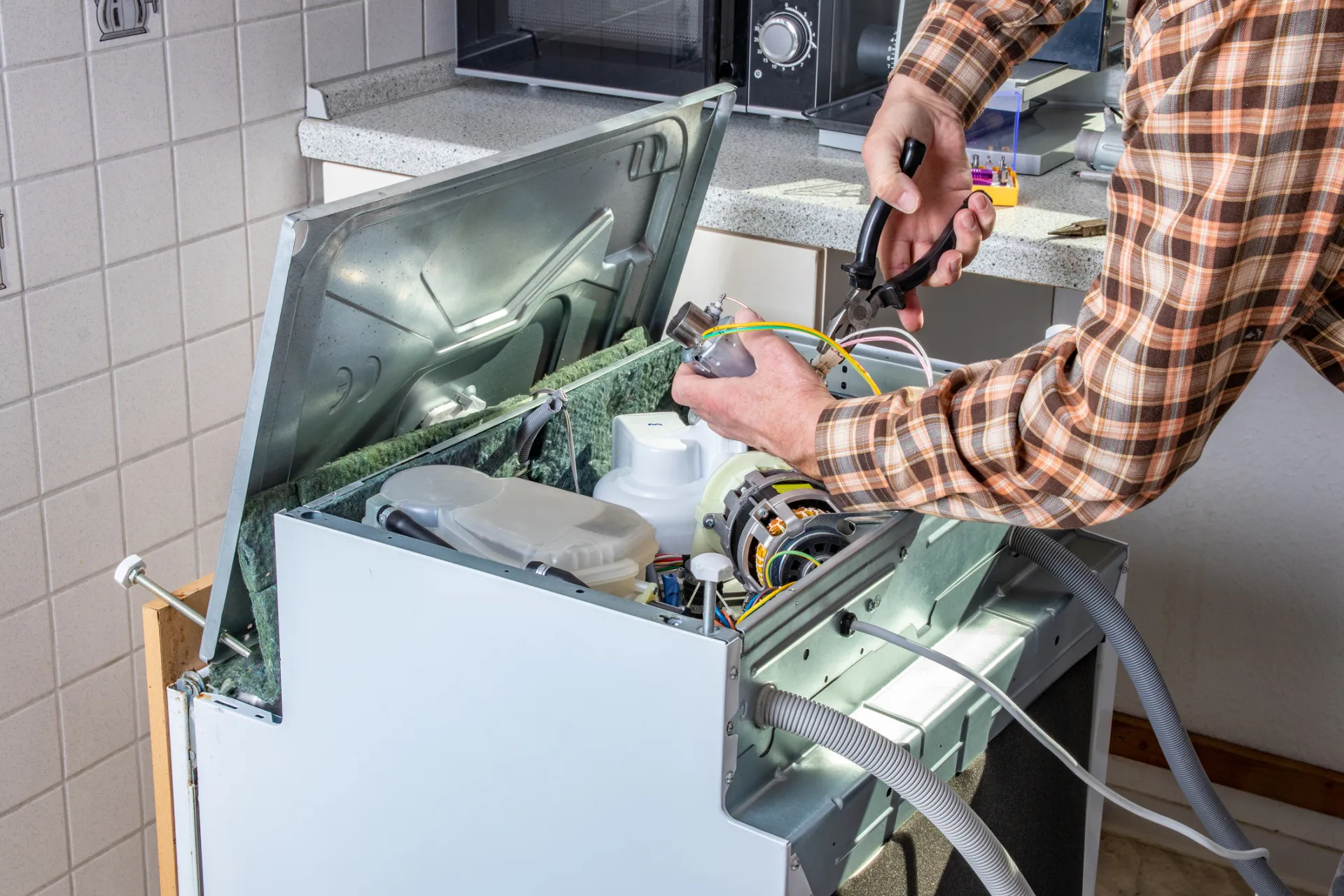
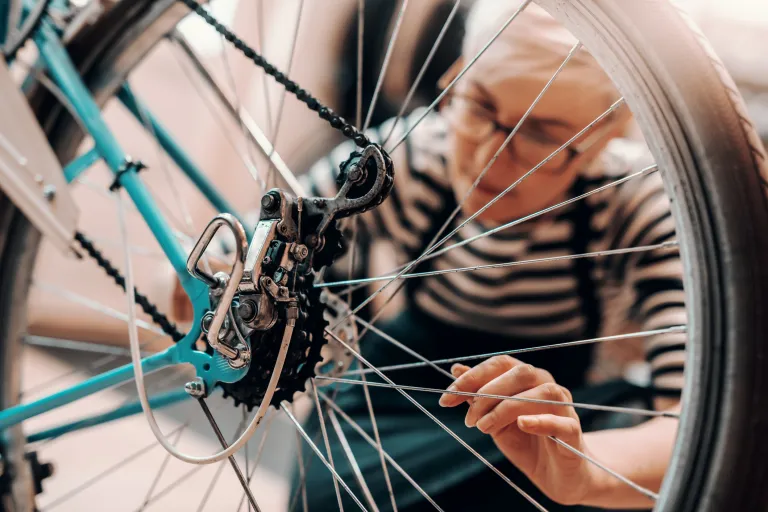
The production of increasing numbers of laptops, phones and washing machines releases additional CO2, raw materials are becoming depleted. Repair, remanufacturing, refurbishment and reuse offer promising opportunities to reverse the habit of throwing things away. They extend the lifespan of products and keep materials in the loop.
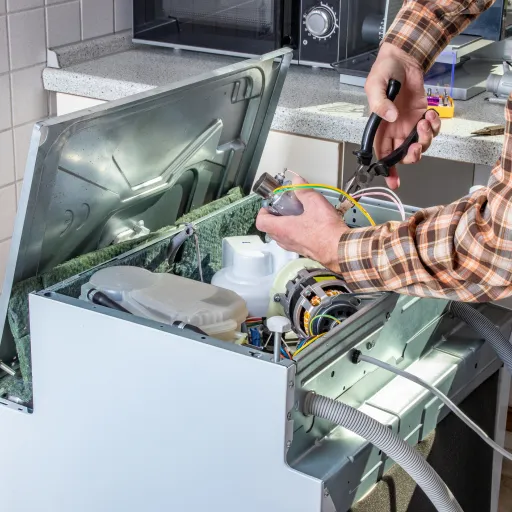
Luckily, there is growing attention for these so-called 'R-strategies.' This includes repair, highlighted by the recent European Right to Repair and the Ecodesign Regulation. More frequent repairing and reusing requires collaboration between all partners in the chain. Knowledge of design, legislation, consumer behavior, and economics (business models) is needed. Everything is interconnected.
Working on solutions
Get Inspired
RELIVE OUR TALKS
Watch the recaps of our past Talks on repair, reuse and many other topics. Researchers from Leiden-Delft-Erasmus, entrepreneurs, and policymakers share experiences and fresh insights.
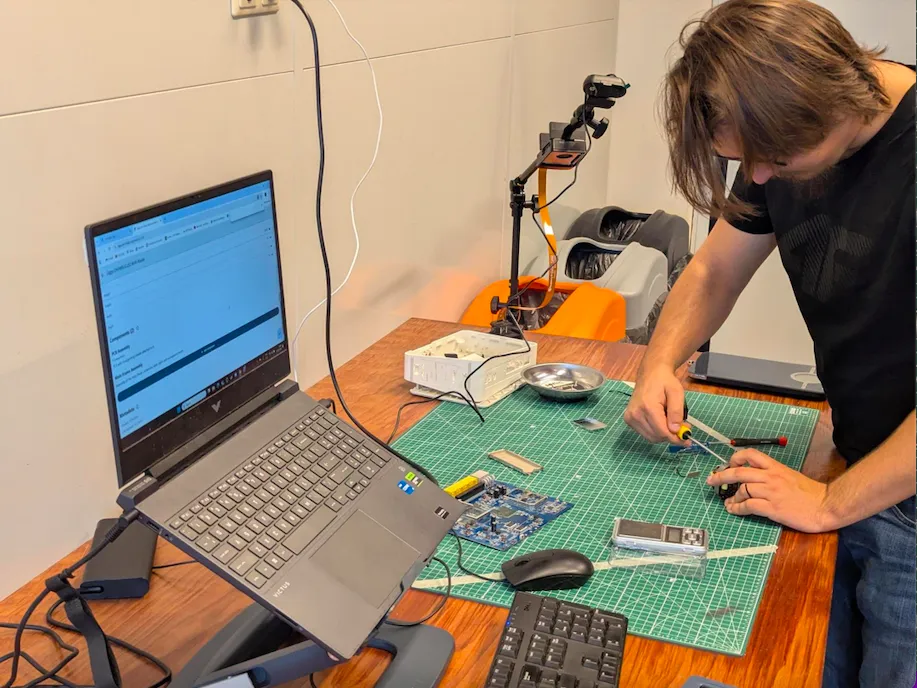
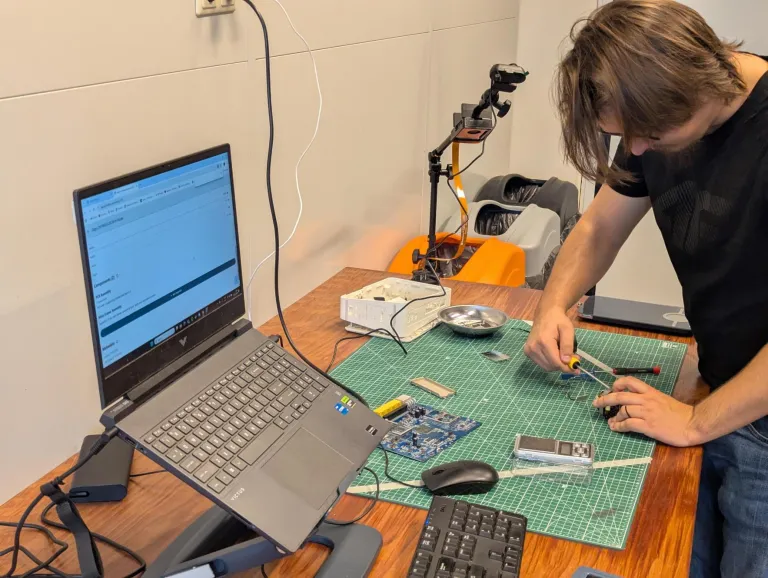
ReLab: learning by taking products apart
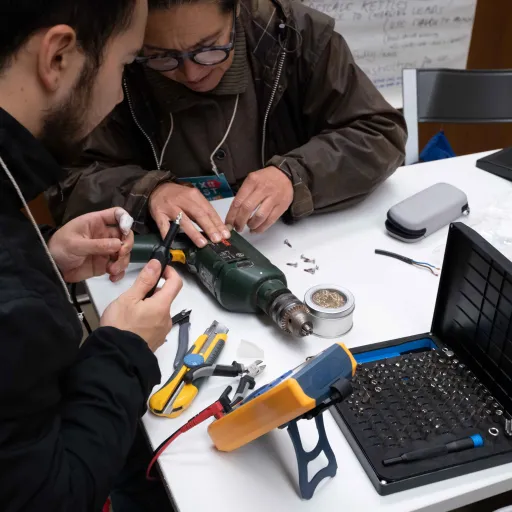
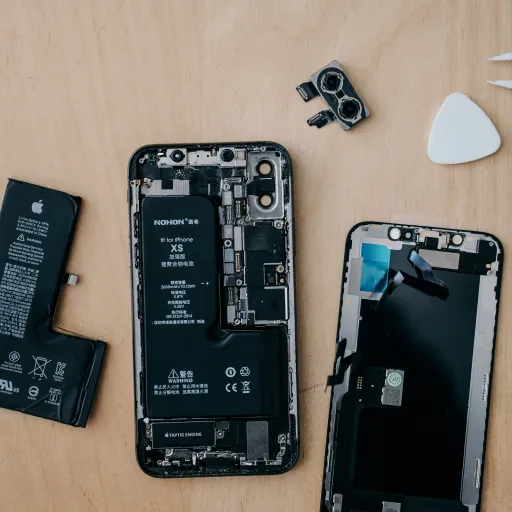
Dr. Franco Donati, Assistant Professor at Leiden University’s Institute of Environmental Sciences (CML), believes we can't model our way to a circular economy — we need to get our hands dirty. Read how his ReLab at Leiden University is training students to physically take products apart, assess their repairability, and build the open data infrastructure that repair professionals, policymakers, and citizens urgently need.