
For English below.
Dr. Franco Donati, universitair docent bij het Centrum voor Milieuwetenschappen (CML) van Universiteit Leiden, richt zich dagelijks op één centrale uitdaging: wat moeten we weten van producten om hun duurzaamheidsprestaties te beoordelen? Met een achtergrond in industrieel ontwerp focust hij zich op het verzamelen van data voor duurzaamheidsbeoordelingen, werkt hij aan het uit elkaar halen van producten en bekijkt hij wat er nodig is om deze materialen in omloop te houden.
Zijn streven naar betere data vormt de basis van ReLab, een CML-laboratorium dat studenten praktijkervaring biedt in industriële ecologie. Hier kunnen studenten producten demonteren, onderdelen onderzoeken met beeldvormingstechnieken en handmatige dataverzameling, en bijdragen aan een groeiende database met informatie over producten. ReLab geeft studenten de kans om bij te dragen een meer circulaire toekomst.In het kader van onze Repair Reuse community spraken we met Donati over dit initiatief.
Hoe het begon
ReLab is ontstaan uit Franco’s ontwerpachtergrond: “Ik ben opgeleid om dingen uit elkaar te halen, te onderzoeken wat er in producten zit, hun repareerbaarheid te beoordelen en te verkennen of ze beter ontworpen kunnen worden. En ik dacht: waarom kunnen we dit principe niet ook gebruiken om systematisch milieueffecten te beoordelen?”
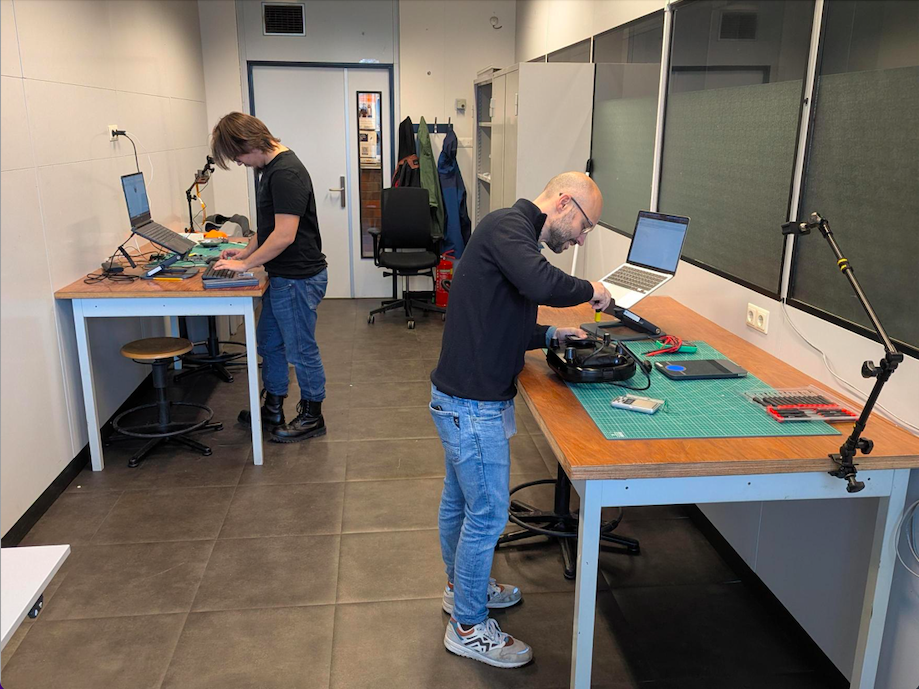
Dat idee leidde tot een speciale ruimte binnen CML waar producten stap voor stap worden gedemonteerd. De ReLab-opstelling bestaat uit camera’s, een Raspberry Pi-systeem en basisgereedschap. Franco beschrijft het proces: “We halen dingen uit elkaar, identificeren de gebruikte materialen – waaronder legeringen en kunststoffen – en delen die informatie met de gemeenschap.”
We halen dingen uit elkaar, identificeren de gebruikte materialen – waaronder legeringen en kunststoffen – en delen die informatie met de gemeenschap.
Door elk product volledig te demonteren, kan het lab ook belangrijke circulariteitsaspecten beoordelen. Franco: “Tijdens het volgen van het dataverzamelingsprotocol kunnen we kijken of een product repareerbaar is, of het kan worden gereviseerd, of dat het hergebruikt kan worden. Dit zijn onderzoeksthema’s die we masterstudenten aanbieden.”
Binnen het ReLab-kader bepalen studenten hun eigen aandachtsgebieden. Sommigen verdiepen zich in het scoren van repareerbaarheid en stellen vragen als: “Hoe berekenen we repareerbaarheid in het lab?” Anderen onderzoeken hoe burgers in de toekomst aan datasets zouden kunnen bijdragen, met vragen als: “Hoe betrekken we stakeholders? Hoe betrekken we burgers bij het aanleveren van data?”
Op deze manier is het lab zowel een leeromgeving als een testplek voor nieuwe ideeën, waarbij studenten tijdens hun afstudeeronderzoek helpen om methoden en digitale hulpmiddelen te verfijnen.
Citizen science: het publiek betrekken
Hoewel de kern van ReLab laboratoriumwerk is, speelt citizen science een belangrijke rol in Franco’s langetermijnvisie. Hij beschrijft het als een manier om het publiek op verschillende niveaus te betrekken: van dataverzameling en data-analyse tot aan het meedenken over een onderzoeksopzet.
“Voor nu zijn we vooral op zoek naar burgers die producten aanleveren om te demonteren, of data verzamelen terwijl ze zelf hun producten uit elkaar halen. Maar op de lange termijn willen we burgers ook opleiden.” Er bestaat al een prototype van een applicatie. Wanneer een burger een product uit elkaar haalt en fotografeert, geeft de tool inzicht in de materiaalsamenstelling, circulariteitsprestaties en duurzaamheidseffecten. Studenten in ReLab zijn de eerste gebruikers en helpen de tool vorm te geven. Ze geven feedback op de dataverzamelingsprocedures en hoe zo’n applicatie in de praktijk zou moeten werken.
Voor wie is het ReLab?
Momenteel verwelkomt ReLab studenten van de gezamenlijke master Industrial Ecology van de Universiteit Leiden en TU Delft. “Maar we staan open voor alle studenten die geïnteresseerd zijn om mee te doen”, vertelt Franco. Studenten uit andere opleidingen of universiteiten kunnen deelnemen, zolang hun interesses aansluiten bij het werk in het lab.
In de toekomst hoopt Franco meer studenten van hogescholen te betrekken: “Zij hebben vanuit hun perspectief ook veel bij te dragen. Ze beschikken over andere typen vaardigheden en kennis die cruciaal zijn voor duurzaamheid en circulariteitsbeoordelingen.”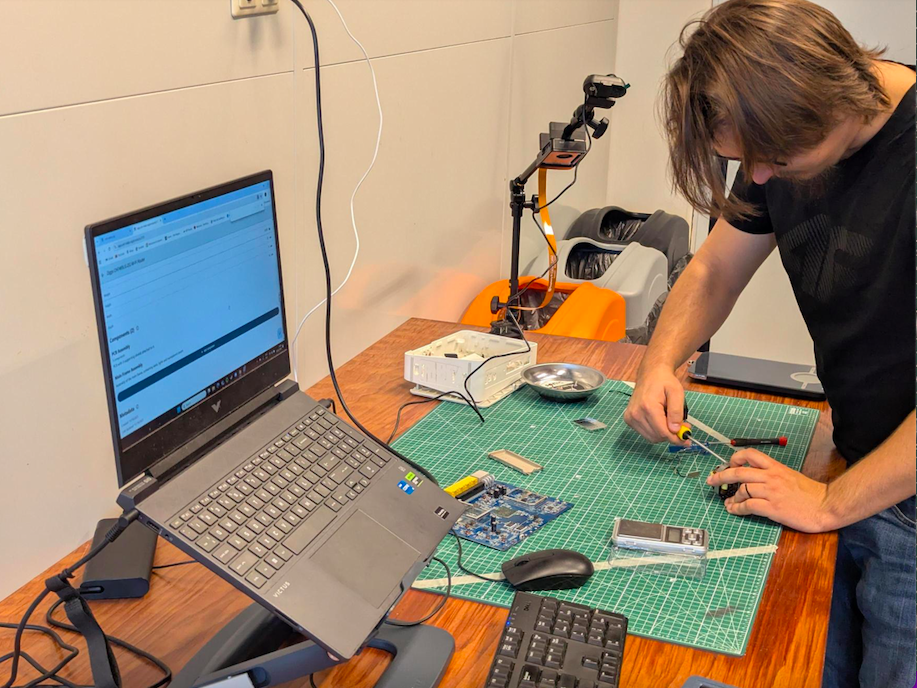
De takeaways voor studenten
Op de vraag wat hij hoopt dat studenten leren van ReLab, is Franco duidelijk: “Ik hoop dat ze het belang van inzicht in de milieueffecten van producten gaan inzien. Ze moeten verder kijken dan modelleren en ook de praktische realiteit van producten op de markt onderzoeken.”
Voor Franco is deze nieuwsgierigheid direct verbonden aan de toekomstige rol van studenten: “Deze studenten worden de volgende generatie experts die bedrijven oprichten op het gebied van circulariteit of duurzaamheidsbeoordeling, of een carrière zullen hebben in onderzoek of consultancy. Door met hun handen te werken en dit te koppelen aan wetenschappelijke beoordelingsmethoden, leren studenten na te denken over hoe circulariteit er in het echte leven uitziet: welke implementaties in de samenleving hebben we nodig om circulariteit en duurzaamheid van duurzame producten te bevorderen?”
Ik hoop dat ze het belang van inzicht in de milieueffecten van producten gaan inzien.
Franco’s visie op de toekomst van reparatie
Franco’s bredere visie is geworteld in lokale actie, ondersteund door gedeelde kennis:
“We hebben mensen nodig die circulariteit op lokaal niveau implementeren. Denk aan gemeenschapsgedreven organisaties, repair cafés of winkels waar dingen worden gerepareerd. Daarnaast moeten we leren van eerdere circulariteitspraktijken. Zo zouden gegevens over producten die al zijn gerepareerd met de gemeenschap gedeeld moeten worden, zodat anderen weten dat bijvoorbeeld een specifiek model van een bepaalde producent niet repareerbaar is, óf alleen op een bepaalde manier.”
We hebben lokaal mensen nodig die circulariteit op lokaal niveau implementeren.
ReLab bouwt ook aan samenwerkingen met andere labs aan andere universiteiten. Franco vindt opschaling belangrijk: “Ik denk dat we nog maar net begonnen zijn. We hebben meer labs van deze aard nodig bij verschillende universiteiten. Universiteiten waar studenten producten uit elkaar halen, zouden verbonden moeten zijn met een digitale infrastructuur waarin data openbaar wordt gedeeld, zodat we die kennis kunnen benutten voor onderwijs, wetenschap en beleid.”
Dit initaitef schetst een toekomst waarin reparatie, data en onderwijs elkaar versterken en zo bijdragen aan een meer circulaire economie.
Heb je ideeën voor ReLab of suggesties voor samenwerkingen?
Neem contact op met Franco Donati via f.donati@cml.leidenuniv.nl
Meer weten over de Repair & Reuse community van het LDE Centre for Sustainability?
Neem contact op met Ester Segers (community manager) via e.t.i.segers@cml.leidenuniv.nl
English
ReLab: learning about sustainability and circularity by taking products apart
Dr Franco Donati, Assistant Professor at Leiden University’s Institute of Environmental Sciences (CML), has built his career around a single challenge: how to understand products well enough to assess their sustainability performance. With roots in industrial design and a research focus on expanding data for sustainability assessments, he works to uncover what products are made of and what it takes to keep their materials circulating.
His drive for better data forms the basis of ReLab, a CML laboratory that offers students hands-on experience in industrial ecology. Here, students can take products apart, examine components using a combination of imaging techniques and manual data collection, and contribute to a growing database of real-world product information. ReLab gives students the opportunity to contribute directly to the growing evidence base needed for a more circular future.
In the context of our Repair & Reuse community, we spoke with Donati about this initiative and how it contributes to a more circular future.
How it started
ReLab grew naturally out of Franco’s design background. As he explains: “I was trained to take things apart, examine what is inside those products, assess their repairability, and explore whether they can be redesigned better. And I thought, why can’t we use this principle to systematically assess environmental impacts as well?”
That idea led to a dedicated space within CML where products are disassembled step by step. The ReLab setup includes cameras, a Raspberry Pi system and basic tools. Franco describes the process: “We take things apart, identify the materials used, including alloys and plastics, and share that information with the community.”
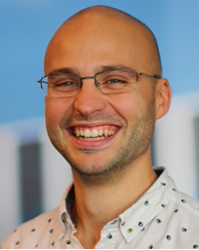
We take things apart, identify the materials used,
including alloys and plastics, and share that information with the community.
By fully disassembling each product, the lab can go beyond identifying materials and environmental impacts and also assess key circularity aspects. As Franco explains: “As we're going through the data collection protocol, we can look at whether a product is repairable, whether it can be remanufactured, or whether it can be reused. These are areas of research we offer master’s students to investigate.”
Within the ReLab framework, students shape their own focus areas. Some dive into repairability scoring, asking: “How do we actually calculate repairability within the lab?” Others explore how citizens might one day contribute to such datasets, considering questions like: “How do we actually engage stakeholders? How do we engage citizens in providing data?”
In this way, the lab becomes both a learning environment and a testing ground for new ideas, with students helping refine methods and digital tools as they work through their thesis.
Citizen science: engaging the public
Although the core of ReLab is laboratory work, citizen science plays an important role in Franco’s long-term vision. He describes it as a method of involving the public at different levels, from collecting data to analysing it or even contributing to research design.
“For now, what we’re looking for is citizens providing products to disassemble or data as they take their products apart. But in the long term, we also want to educate citizens.” A prototype application already exists. When a citizen takes a product apart and photographs it, the tool aims to provide insights into material content, circularity performance and sustainability impacts. Students in ReLab act as early users, helping shape the tool: they provide feedback on data collection procedures and on how such an application should work in practice.
Who joins ReLab?
At the moment, ReLab hosts students from the joint Leiden University–TU Delft Master’s in Industrial Ecology. “But we welcome any students who might be interested in participating,” Franco explains. Students from other programmes or universities can join as long as their interests align with the work in the lab.
In the future, Franco hopes to involve more students from universities of applied sciences: “They have a lot to contribute as well from their perspective. They have different types of skills and knowledge critical for sustainability and circularity assessment.”
What students take away
When asked what he hopes students learn from ReLab, Franco is clear: “What I would like them to take away from this is the importance of understanding the environmental impacts of products. They need to go beyond modelling and also investigate the practical realities of products on the market.”
What I would like them to take away from this is the importance of understanding the environmental impacts of products.
To Franco, this practical curiosity is directly connected to students’ future roles.“These students will become the next generation of experts who will establish businesses in circularity or sustainability assessment, or pursue careers in research or consultancy in these fields. By working with their hands while connecting this work to scientific assessment methods, students learn to think about what circularity looks like in real life: What kind of implementations in society do we actually need to promote circularity and sustainability of durable products?”
A vision for the future of repair
Franco’s wider vision is rooted in local action supported by shared knowledge: “We need to have operators locally who are looking to implement circularity at the neighbourhood level. Community-led organisations, repair cafés, or shops where they repair things are some of these initiatives. Additionally, we should learn from previous circularity practices. For example, data on products that have already been repaired should be shared with the community, letting others know that, for instance, a specific model from a particular producer is not repairable, or only repairable in a certain way.”
We need to have operators locally who are looking to implement circularity at the neighbourhood level.
ReLab is also building a collaboration with other labs in other universities. Franco emphasises this need for scaling up: “I think we’re just starting. We need more labs of this nature in different universities. Universities where students take products apart should have some connection to digital infrastructure where they’re sharing data publicly, so that we can leverage that knowledge for education, science, and policymaking.”
Together, these efforts outline a future where repair, data and education reinforce each other, forming a more circular economy.
Do you have ideas for ReLab or suggestions for future collaborations?
Get in touch with Franco Donati via f.donati@cml.leidenuniv.nl
Want to know more about the repair and reuse community at the LDE Centre for Sustainability?
Contact Ester Segers (community manager) via e.t.i.segers@cml.leidenuniv.nl