


‘People who are engaged in regeneration radiate a lot of energy,’ notes Elise Blondel in her work at the LDE Centre for Sustainability. Together with Leon Heuts from Studium Generale at Delft University of Technology, she invites students to gain a fresh perspective on the world and their lives. Join the night walk on 1 October in Delft!
By Rianne Lindhout
 How did you become so passionate about that somewhat vague concept of regeneration? Leon Heuts: ‘As a child, my German mother experienced her city being heavily bombed during the Second World War. That traumatised her so much that she was always afraid and couldn’t live life to the fullest. As a person and as a philosopher, I seek out opportunities to flourish, precisely because that was something my mother was denied.
‘In our society, I’m struck by how we as human beings are often under pressure. Because of everyday matters or, for example, climate issues, and because of stress. At work, we’re almost a sort of production unit. We often go on holiday just so we can get back to work even harder afterwards. That’s very strange.’
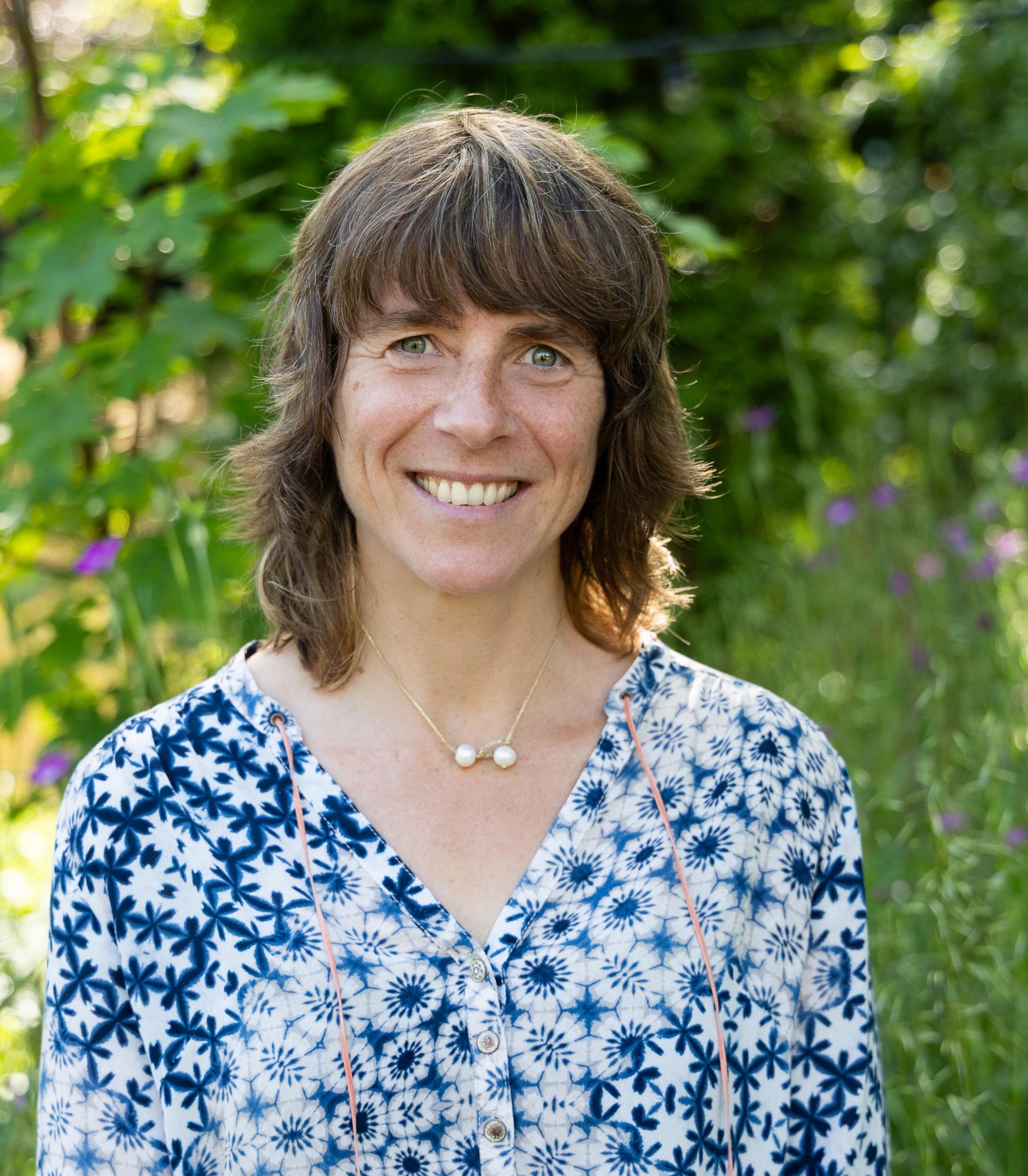 That’s interesting; I mainly associated regeneration with sustainable agriculture. Elise Blondel: ‘I come from the world of engineering; as a hydrodynamicist, I worked on removing plastic from rivers. The plastic problem was a huge wake-up call for me. It’s linked to all sorts of things. From grabbing a quick bite to eat – wrapped in plastic – to cheap clothing. Sometimes it’s hard not to feel depressed by everything that’s happening. Many people are losing hope for a sustainable future. I’ve found that regeneration – working to improve the relationships between nature, people and society – gives you strength.’
‘Two years ago, at a meeting of the Leiden-Delft-Erasmus Universities, I discovered the paradigm of regeneration. People are working on this from the perspectives of ecology and agriculture, but also from economics and the humanities. Their ideas resonated with something I’d felt for a very long time. Since then, I’ve been working at LDE on a community around regeneration where we bring people and organisations together.’
The essence is that quick profits aren’t the priority, but rather that ecosystems, communities and we ourselves flourish? Blondel: ‘Quick profits, but also speed and efficiency in themselves, are up for debate. Our world is moving ever faster. We do much more and much faster than we used to. AI is also contributing to this. But I doubt whether that makes us happier. All those flights we take, when you might actually find more peace in your own back garden. I’m conditioned too, mind you; I find it very difficult within the current system of values, but I try to consciously slow down.
‘Regeneration is such a broad concept; it touches on all disciplines. From food production and financial systems to education and governance. In the whitepaper *Regenerative Futures*, which we’re launching on 3 December, people from at least twenty different backgrounds have their say. For instance, economic geographer Amanda Brandellero argues for prioritising shared values and goals that go beyond growth. Triodos economist Hans Stegeman explains how regeneration can also be financially rewarding.’
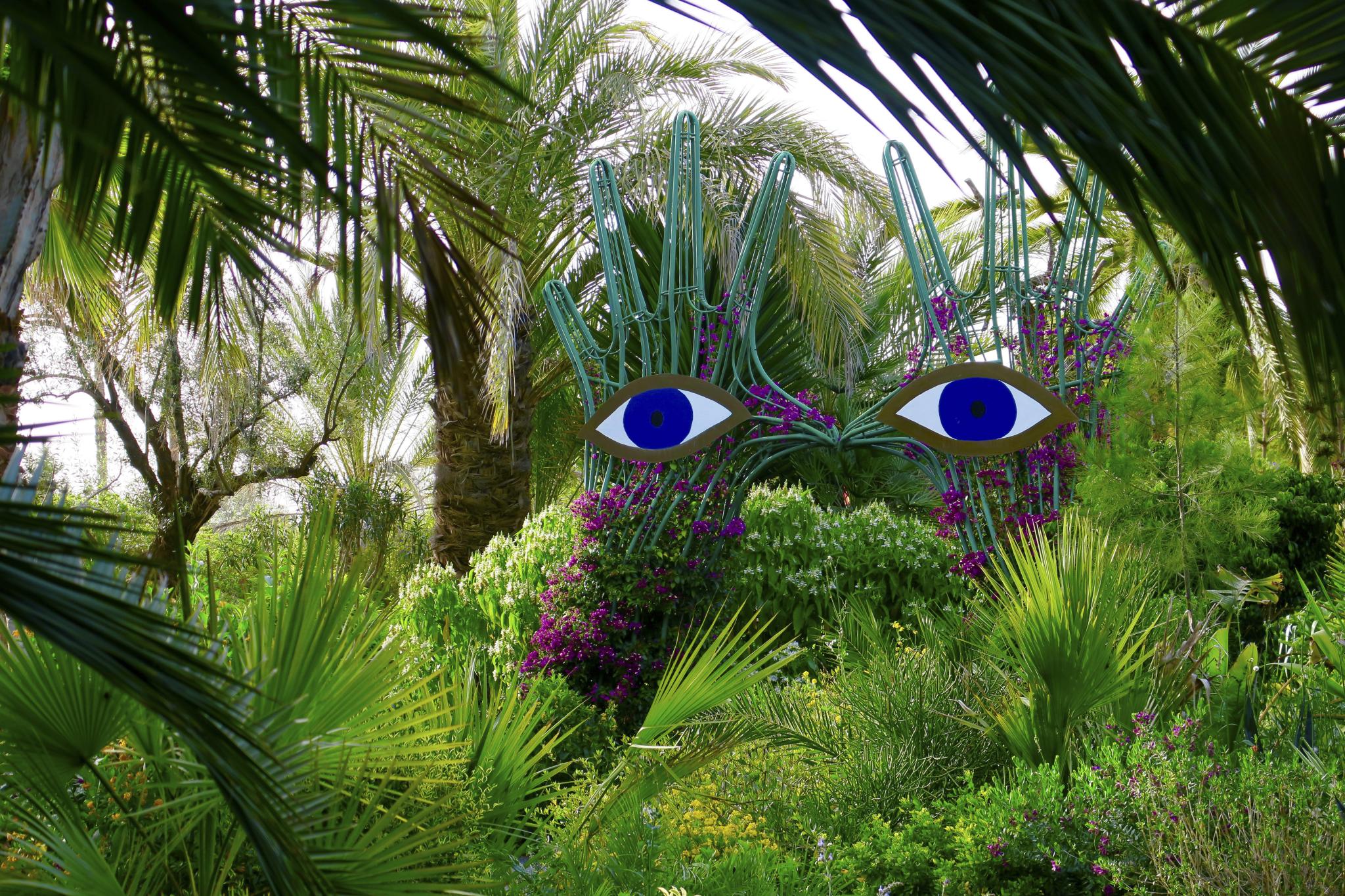
Can you give a good example of regeneration? Heuts: ‘There are artists, such as the Austrian André Heller, and philosophers who work with gardens. It’s a small but telling example: creating a garden together with people from the neighbourhood. As well as providing the greenery we so desperately need, such a garden also offers a place for people to meet. Heller created the Anima garden in Marrakech.’
Blondel: Every time I meet people who are involved in regeneration, it strikes me how much energy they radiate. For me, the key is developing a new perspective on yourself, on your relationships with others and on the world around you. It’s about daring to question your own thought patterns and ways of experiencing life. That requires you to pause and make time for introspection and reflection. It takes courage to step outside your familiar frame of mind, not least because there are no fixed answers. You have to trust what you feel.’
Heuts: ‘Regeneration is broad and deep. It’s about feeling and simply being. If you’re constantly rushing about, do you even feel the stress anymore? Mortality also occupies a prominent place within regeneration, which is based on cycles and interconnectedness. We often sweep that under the rug these days.’
Regeneration seems beneficial for students, offering a counterbalance to the pressure to perform and mental health issues. Heuts: ‘Together with Elise and her colleagues, we’re organising a night walk as part of Studium Generale, where we invite students to reflect on these issues. Sometimes our future seems completely predetermined. British writer and philosopher Mark Fisher writes: “We are better able to imagine our own end than the end of neoliberalism or capitalism.” Regeneration offers the hope that things can be different and that we can indeed escape the matrix of, for example, constant economic growth.’
Find out more about regeneration
Night walk on 1 October organized by Studium Generale TU Delft
LDE Community on Regenerative Futures
*Regenerative Futures* Whitepaper release on 3 December. Available for download on White Papers | Leiden•Delft•Erasmus.