Regenerative economy, interview with Hans Stegeman, Chief Economist at Triodos Bank
"We don't need to invent anything new. We need to stop rewarding activities that ultimately destroy more than they create. Above all, we simply need to get on with it." According to Hans Stegeman, Chief Economist at Triodos Bank, the problem is not a lack of knowledge or technology. The real challenge is that our economy is still built around outdated rules that reward extraction rather than restoration.
Text by Irene Salverda
This vision also shapes the way Triodos Bank approaches finance. The question is not only whether an initiative is sustainable, but above all whether it helps transform the economy. "Too often, sustainability stops at making small improvements within a system that essentially remains the same," says Stegeman. "We constantly ask ourselves: what is the next step?"
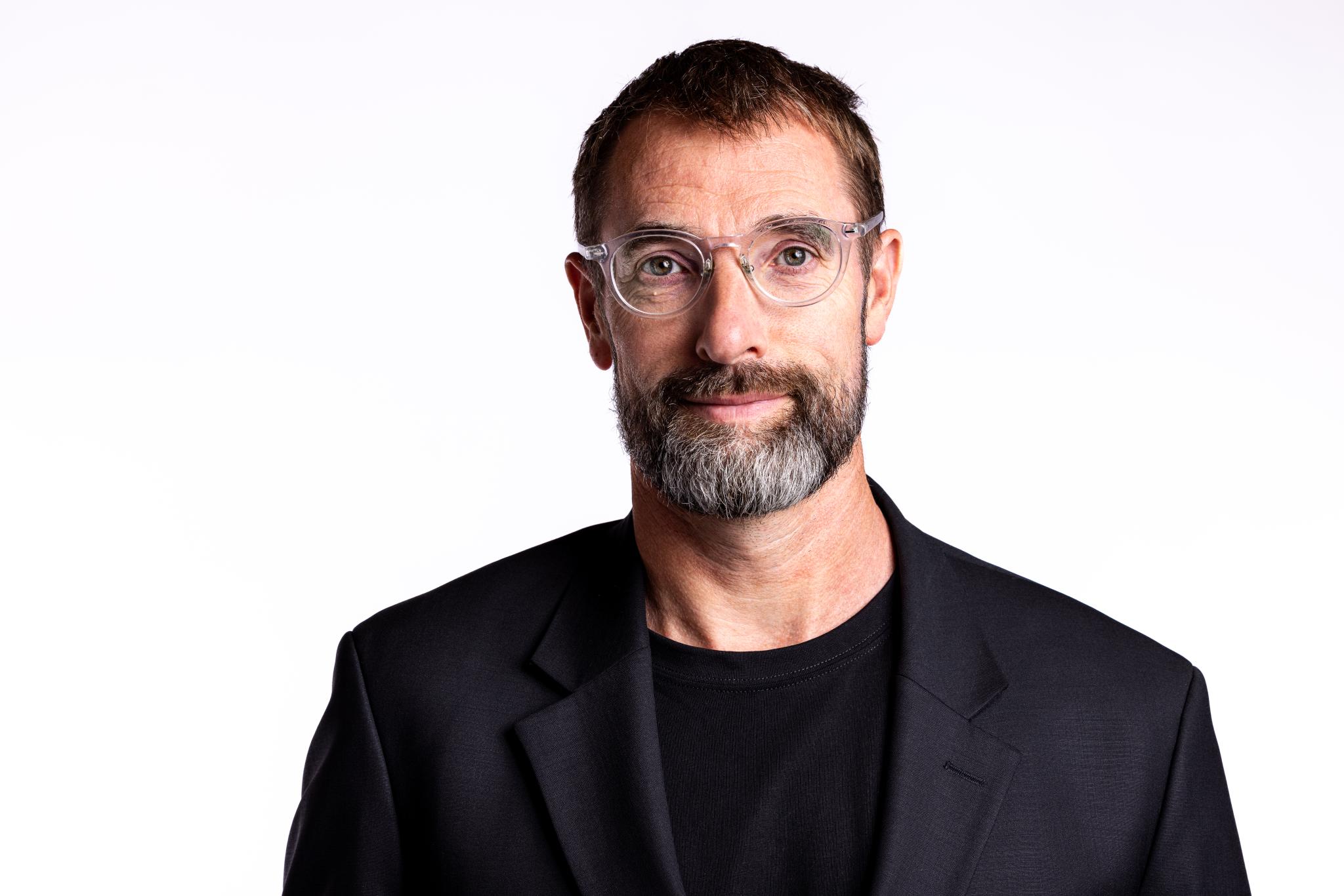
Credits: Gijs de Kruijf Photography
We need to stop rewarding activities that ultimately destroy more than they create."
- Hans Stegeman
That may sound straightforward, but putting it into practice is far from easy. Triodos itself also has to operate within a financial system that largely focuses on risk and short-term returns. "We start from the long term," says Stegeman. "But in the end, we too have to demonstrate that the numbers add up over the coming years. That makes genuine system change difficult."
This is why Triodos Bank looks beyond the companies it finances and advocates for better economic rules. Stegeman points to the UK's Biodiversity Net Gain legislation as an inspiring example. Developers are legally required to leave a site with at least ten per cent more biodiversity value than before development. "Once you introduce rules like these, a market for nature restoration emerges almost automatically. That's when regeneration also starts to make economic sense."
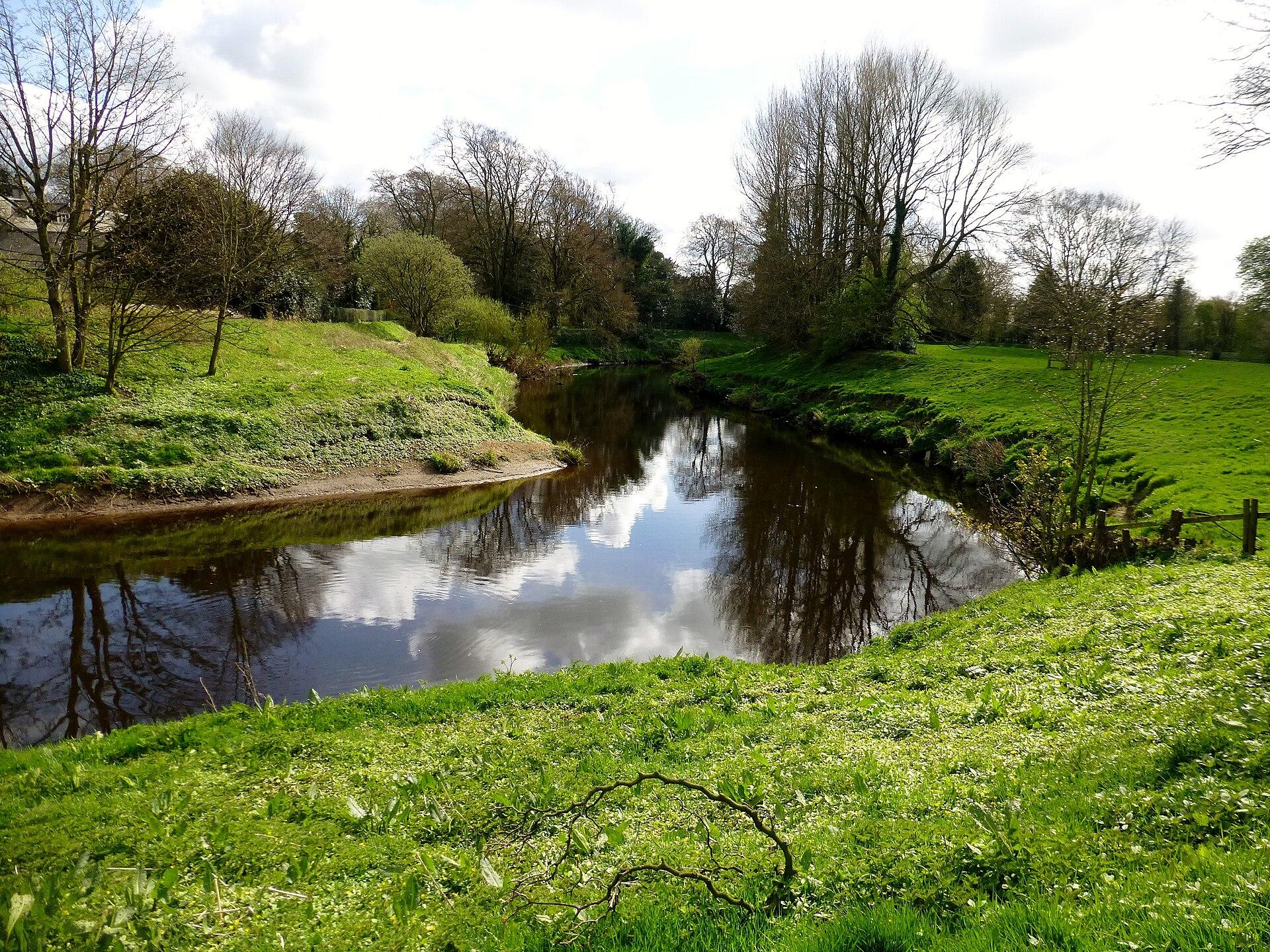
The Wyre River project in north-west England illustrates this approach in practice. Farmers are restoring wetlands, hedgerows and water retention areas to reduce flood risk. Water utilities, insurers and public authorities contribute financially because they benefit from lower flood damage. Triodos Bank UK helped attract private investors to the project. Importantly, the financial arrangements are also linked to ecological performance, giving nature restoration not only societal value, but economic value as well.
According to Stegeman, this highlights an important task for governments and financial institutions alike. Stop subsidising fossil fuels and other environmentally harmful activities. Adjust return expectations, tax incentives and regulations so that restoring ecosystems becomes more attractive than depleting them.
Stegeman remains optimistic. "More and more entrepreneurs, businesses and financiers understand that things have to change. We need to stop endlessly analysing the problems. The real challenge is not that we don't know what needs to be done. The challenge is giving the people and businesses that are already making this transition the right incentives to keep moving forward."
The real challenge is not that we don't know what needs to be done but to give right incentives to keep moving forward."